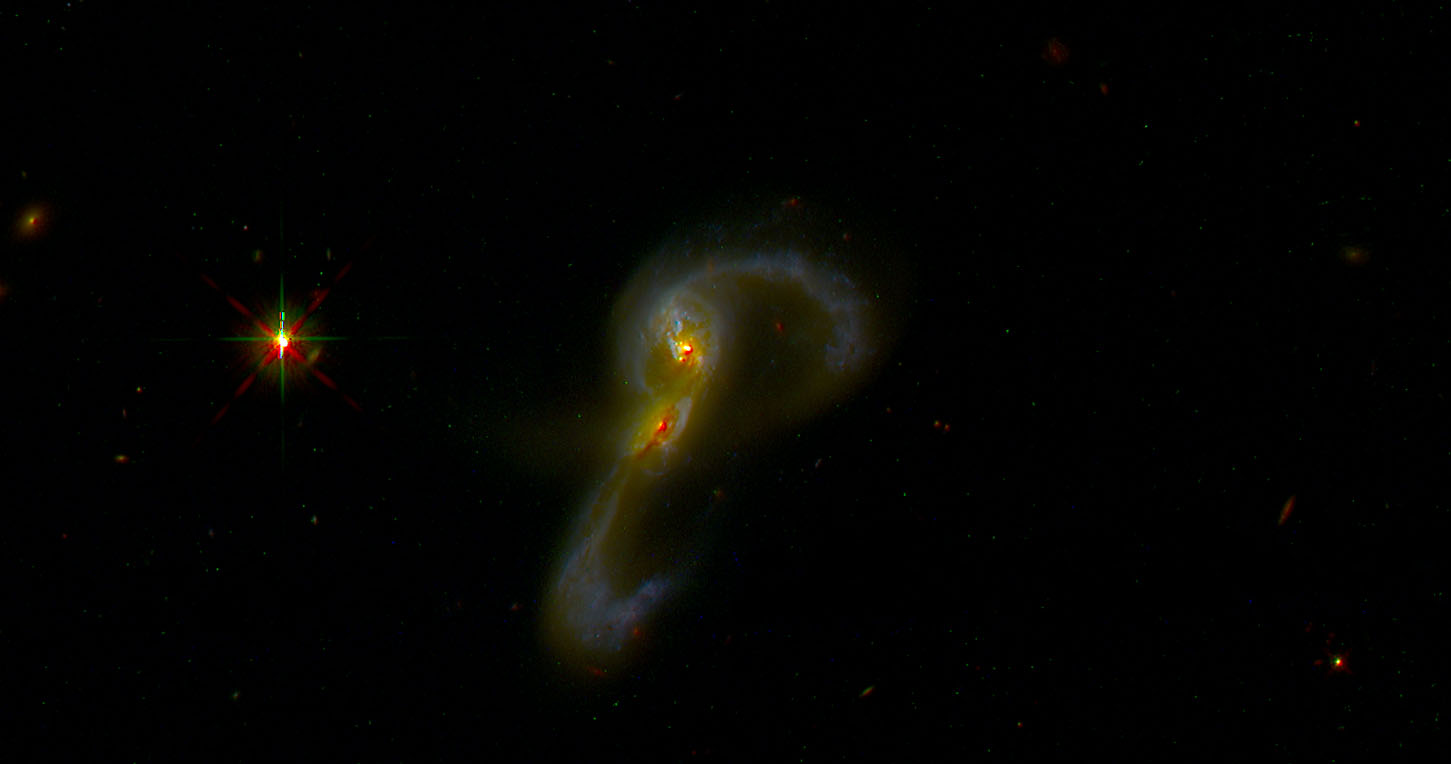
After a bit of a break caused by spiking electricity bills and travel I’ve resumed the program I discussed in my last post, but with a change in the sample I’m drawing from. While traveling a few months back I noticed a (now published) preprint on arxiv titled “The diverse quenching pathways of post-starburst galaxies in SDSS-IV MaNGA,” by Leung et al. (2025). This was a companion to Leung et al. (2024) and evidently part of the first author’s PhD research. These two papers studied “ring” and “central” post starburst galaxies (RPSB and CPSB), a morphological dichotomy originally noted in Chen et al. (2019), and studied further with data from the final MaNGA data release by Cheng et al. (2024)1The author lists for these 4 papers overlap. A third category of “irregular” psbs hasn’t received much attention, probably because the majority of those are likely to just be spiral galaxies observed with enough resolution to sample interarm regions.
The two papers by Leung et al. were of interest for a couple of reasons. First, they published catalogs of their sample as supplemental data to the journal papers, and the sample was reasonably sized for my resources: a total of 91, with 50 cpsbs and 41 rpsbs. This is comparable size to the 103 SDSS selected K+A candidates that I started to run models for, and there is some overlap in objects: 17 of my sample are in the cpsb sample, and 3 in the rpsbs. In addition 6 out of 8 of Melnick and dePropris’ SDSS based compilation are in the cpsbs, and 9 are drawn from the PSB ancillary program sample.
Another point of interest was they published star formation history models for their entire sample (minus a few that they chose not study further). Their methods are quite different from mine and I have no intention of trying to reproduce their work in any detail, but it will be of some interest to see if burst timescales and strength are at all comparable.
Modeling the chemical evolution of the stars through the bursts was an important part of these papers. Although I was and remain skeptical of the ability of my models to say much about stellar chemical evolution I have added metallicity tracking to my data analysis pipeline. I’m making this as simple as possible: for each age bin and each sample draw I calculate the mass weighted metallicity from the nominal Z values listed in the library. The present day stellar metallicity is similarly calculated as the remnant mass weighted metallicity summed over all SSP model contributors. As I’ve said before my models have nonzero contributions from all age and metallicity bins in the inputs, which can’t really make sense in any realistic chemical evolution scenario, so if they have any use at all it’s likely to be in the mean.
As of the date of posting I’ve run models for about 3/4 of the sample using my standard Stan model and the “medium” size SSP model library. I haven’t attempted any detailed analysis of results yet, but I do look at some graphs as model runs complete. I have noticed a few fairly consistent themes which I will illustrate with a single unremarkable galaxy from the cpsb sample, with plateifu 8655-1902 (mangaid 1-29809):
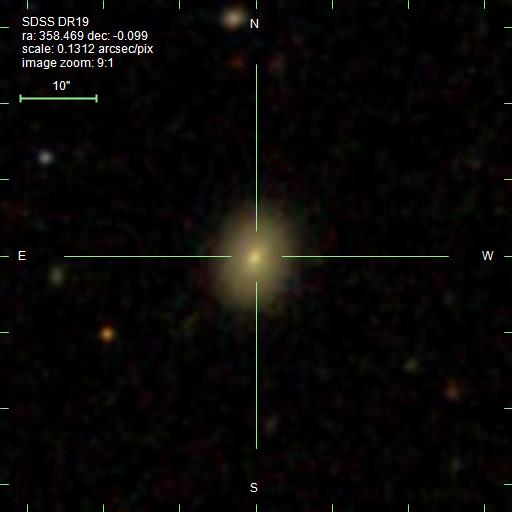
I’m trying to increase the minimum nominal signal to noise to average around 8 per pixel, although that isn’t always feasible. In this case the stacked RSS file binned to 15 spectra with a SNR range of 8.2-22.9. Here are the model star formation rate, mass growth, and metallicity histories for all 15 bins arranged by distance to the IFU center. The SFR scales are allowed to vary while the other two have fixed vertical scales. Lookback times are scaled logarithmically.
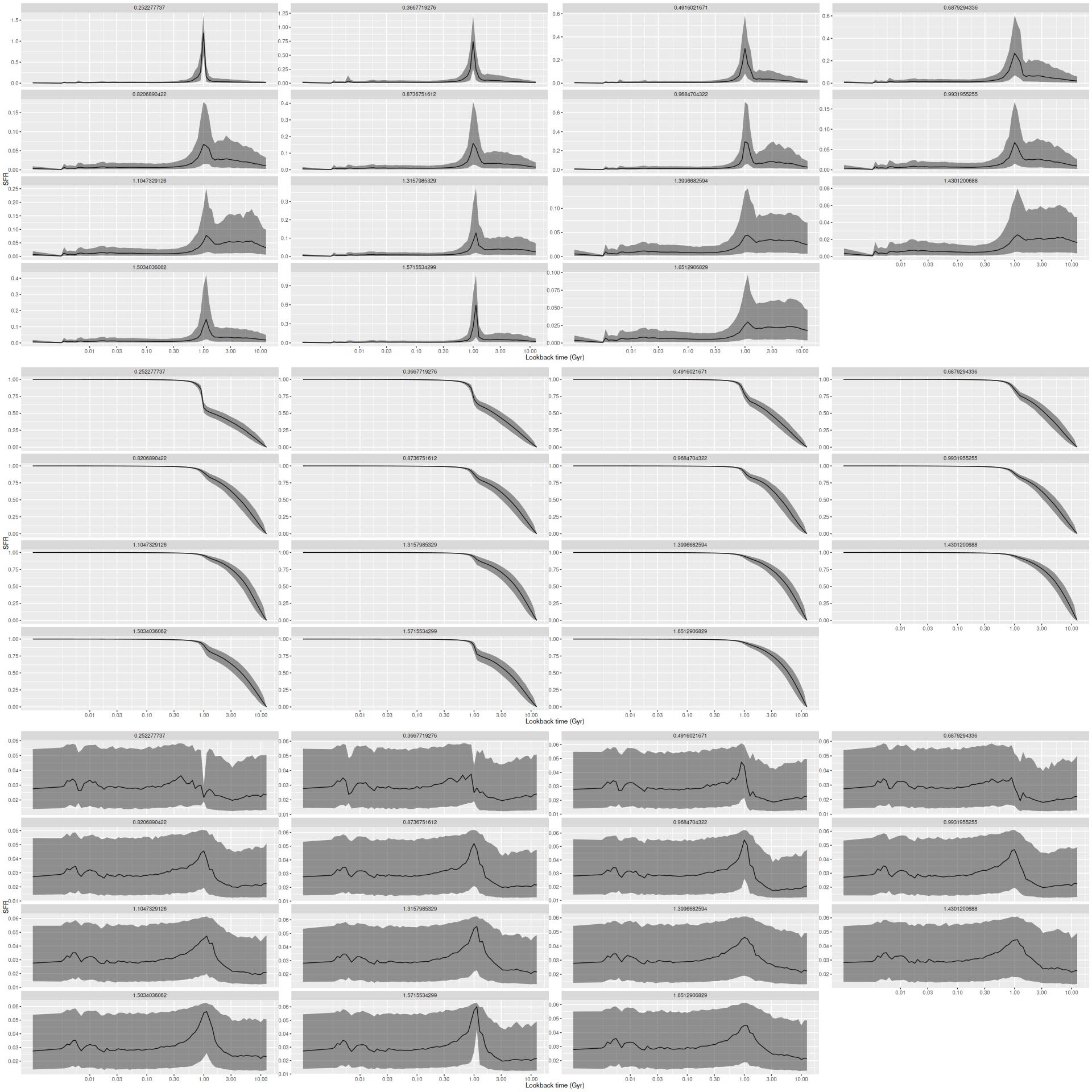
Modeled star formation histories, mass growth histories, stellar metallicity histories — binned spectra ordered by distance from center
One thing I’m noticing in the sample (both cpsbs and rpsbs) is a distinct tendency for bursts, where they appear in a model, to peak at right around 1 Gyr. Is there something in the sample selection criteria that favors a rather narrow range of burst ages, or is it some peculiarity of this SSP model library? It could be either. Taking the models literally this galaxy did indeed have a centrally concentrated but widespread burst, with some outer regions heving slightly enhanced star formation with quenching at about the same time as the center.
As the third set of graphs show the models don’t even “claim” to constrain stellar metallicity to any great degree. This version of the library has only 3 metallicity bins: Z = {0.011, 0.02, 0.063}, and the credible interval bands cover essentially the entire range of inputs. Somewhat surprisingly though there do appear to be systematic changes around the time of the burst. In this case the center shows a small decline in metallicity while most of the outer regions have a sharp increase that decays to a mean value a little larger than the pre–burst metallicity. I can’t quite make sense of this, but it does actually agee with Leung’s results.
Here is the (posterior predictive) fit of the model to the central fiber spectrum:
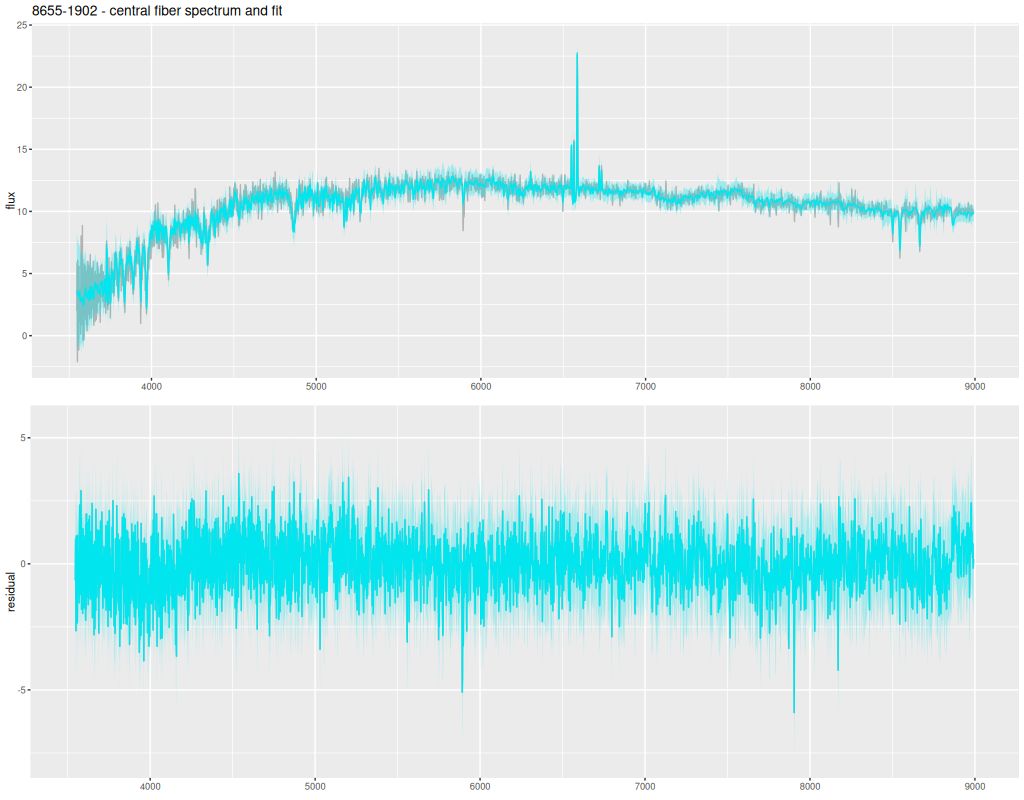
There aren’t any long stretches with systematic departures from the observations, except for a slight upturn in the residuals at the reddest wavelengths. This seems to be relatively common: the continuum sometimes turns sharply upward at the reddest wavelengths — this gets flagged as a “blowtorch” in the MaNGA data reduction pipeline and along with night sky lines make the reddest 1000Å or so useless for analysis. I may decide to truncate the SSP model spectra at a slightly shorter wavelength, but for now I will continue the analysis with the current library version.
I will put off further analysis until I’ve finished model runs. Should be another week or two.